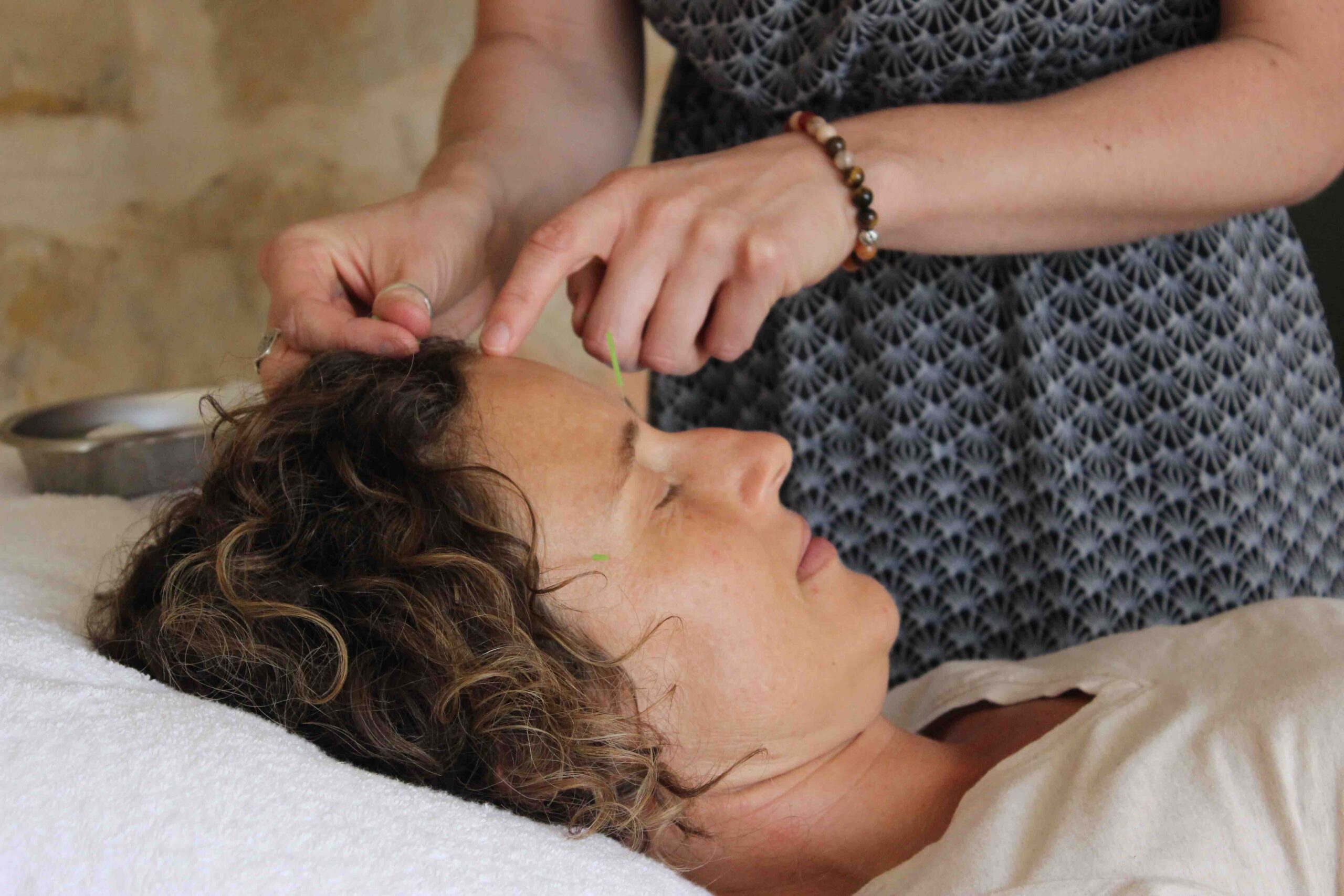
anxiety, stress & depression
Historically, stress was a short-term response to immediate threats—once the danger passed, anxiety would fade. Today, however, many people experience ongoing, background stress related to everyday life, such as family responsibilities, work, or relationships. Our brains have not fully adapted to handle this constant uncertainty, and as a result, many patients feel a persistent sense of unease or anxiety. Stress, whether real or perceived, signals the body to activate the “fight or flight” response. This process involves the hypothalamus and leads to the release of stress hormones like adrenaline and cortisol. While this response is helpful in emergencies, chronic activation can be harmful, continually diverting essential resources away from other bodily functions and contributing to long-term health issues. In essence, ongoing stress keeps the body in a heightened state, which can take a toll over time.

Chinese medicine philosophy is based on a dynamic balance of body, mind, and spirit. We recognise that health is shaped by both the seen and unseen experiences in our lives.
Our approach acknowledges not only the physical symptoms that are easily noticed, but also the subtle, often hidden impacts of stress and trauma. With advanced training in trauma-informed care and a deep respect for each individual’s story, we offer a safe and supportive environment supporting you in cultivating enduring health and well being.
Your story is heard and our clinic is a confidential, safe and relaxing place which can help you reset your nervous system before heading out into the world again.
how does acupuncture affect stress?
Scientific studies suggest that acupuncture can help regulate the body’s stress response in several ways. One possible mechanism is its ability to calm the sympathetic nervous system—the part responsible for our “fight or flight” reaction—helping us feel more relaxed. Acupuncture may also influence important brain chemicals, like serotonin and dopamine, which are linked to mood and emotional balance. Some research even shows that acupuncture can help lower stress hormones such as cortisol, supporting a more balanced and resilient response to daily challenges.
a chinese medicine perspective
In Chinese Medicine, stress and anxiety are seen as imbalances that affect both the body and mind. The Heart is considered the home of the “Shen” (mind or spirit), which is responsible for our mental clarity, mood, and sense of calm. When stress disrupts the Heart or other key organs like the Liver and Kidneys, it can lead to emotional symptoms such as anxiety, restlessness, or difficulty sleeping. Acupuncture aims to restore harmony by supporting the flow of energy (qi) and nourishing the organs that help us feel centered and at ease.
depression
Depression is a common and serious condition that affects many people, often making daily life and work much harder. It’s one of the leading causes of disability worldwide, yet it’s often not treated as well as it could be.
Standard treatments for depression include medication, cognitive-behavioural therapy (CBT), and interpersonal therapy. However, not everyone gets the help they need, and some people experience side effects from medication.
Research shows that acupuncture can help reduce the severity of depression, either on its own or alongside medication. Some studies have found that combining acupuncture with antidepressants can improve symptoms and reduce medication side effects like dry mouth, dizziness, and headaches. In some cases, acupuncture with a lower dose of medication worked just as well as a higher dose of medication alone, but with fewer side effects.
Overall, acupuncture is a safe option that may support people with depression especially when used as part of a broader treatment plan.