
This blog summarises a case report I wrote to explore what may have contributed to a successful pregnancy, review clinical decision‑making, and outline practical considerations for integrating biomedicine and Chinese medicine in fertility care.
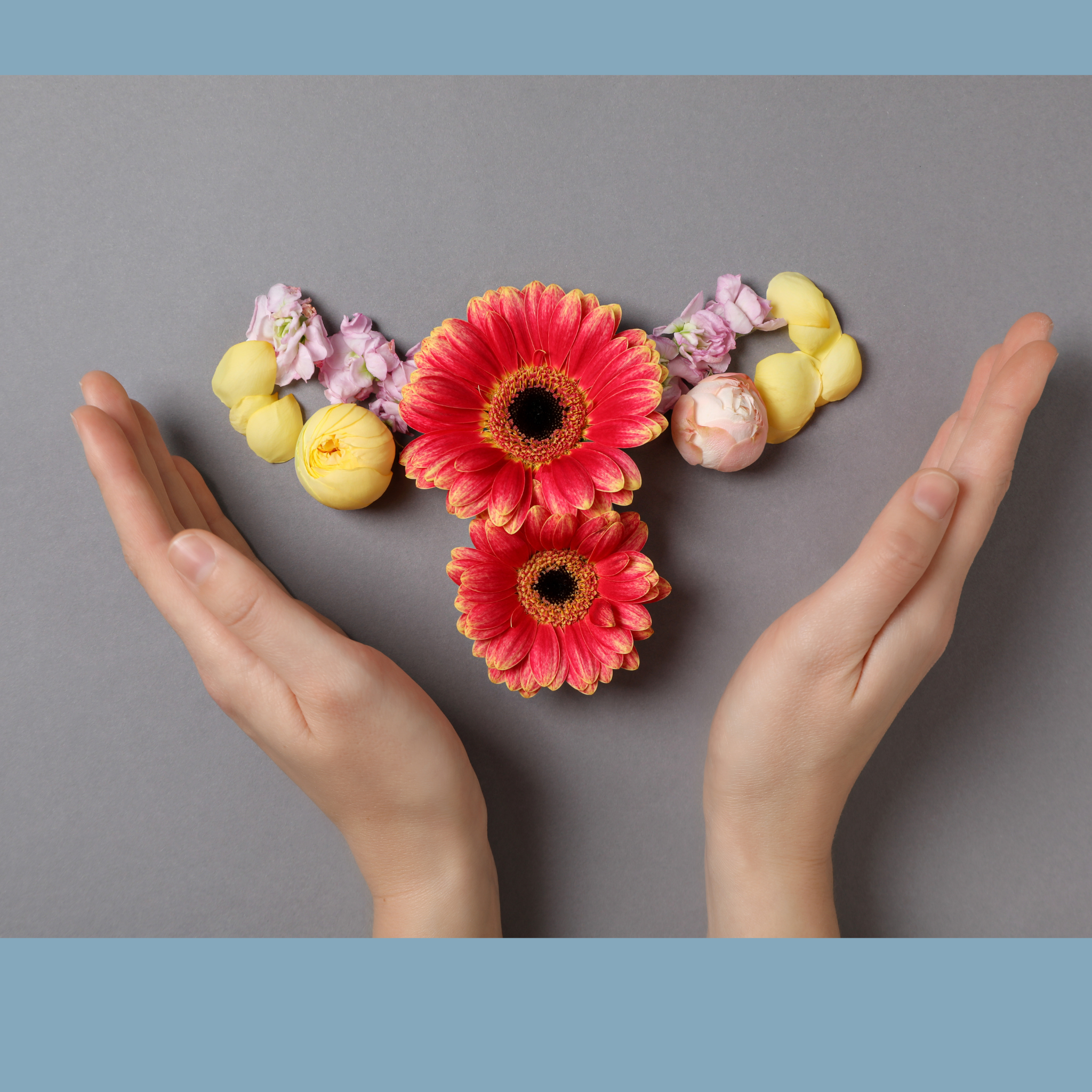
Polycystic ovarian syndrome (PCOS) is a common endocrine condition and a frequent presentation in fertility clinics. In Australia, PCOS is estimated to affect 12–21% of reproductive‑aged women. It can present with irregular or absent ovulation, menstrual irregularities, acne, hirsutism, and polycystic ovarian changes. some form of vitamin B9.
From a biomedical perspective, first‑line management for women trying to conceive typically includes lifestyle interventions (diet and exercise), with medications such as letrozole, clomiphene, metformin, gonadotrophins, and in some cases surgical approaches or IVF. Some women experience side effects that reduce adherence.
Alongside biomedical care, many women explore complementary options. Chinese herbal medicine (CHM) is commonly used, and systematic reviews suggest CHM may improve PCOS‑related outcomes—however, limitations in research quality and inconsistent safety reporting make firm conclusions difficult.
Case snapshot: insulin‑resistant PCOS and 9 months trying to conceive
“Sue” (pseudonym), a 28‑year‑old nurse, presented after nine months of trying to conceive. She had a prior diagnosis of insulin‑resistant PCOS and had used medications including metformin and progesterone in the past.
Key features in her presentation included:
- Fatigue, dark circles, irregular sleep and shift work
- Loose stools, bloating, low appetite, sugar cravings
- A cycle ranging from 27–45 days
- Period pain requiring analgesia, dark blood with clots
- PMS symptoms including sore breasts, mood changes, poor sleep
Chinese medicine assessment included tongue and pulse findings consistent with deficiency and dampness.
Chinese medicine pattern differentiation and treatment principles
Folate is one of the key nutrients involved in the methylation cycle, which produces methyl groups used across many processes in the body.
The working Chinese medicine diagnosis was:
- Spleen and kidney qi deficiency leading to blood deficiency
- Liver qi stagnation with blood stasis in the uterus
- Neurotransmitter production
- Processing and breakdown of various compounds (including hormones and histamine)
A key clinical consideration was the impact of shift work on restorative capacity and overall regulation.
Clinical progression: why the first phase wasn’t “about pregnancy”
In the first three cycles, the focus was on regulating ovulation and menstruation and tracking symptomatic changes as markers of improved regulation.
- Reported changes included:
- Reduced pain and fewer clots
- Brighter menstrual blood and more consistent flow
- Improved mood stability
- Fertile cervical mucus
- Shortening of cycle length toward a more typical range
A key reflection from this case is the value of setting expectations: in practice, explaining a 3‑month preparation window can reduce pressure and improve clarity for both patient and practitioner. Adjusting the strategy: supporting sleep, rumination, and regulation.
After ovulation and cycle regulation improved, the case was reviewed and the CHM strategy was adjusted to better match the updated presentation (including overthinking and disturbed sleep).
That cycle, basal body temperature patterns improved and blood tests supported ovulation. She conceived that month.
What does the research say about CHM, acupuncture, and PCOS fertility?
A literature review located multiple systematic reviews examining CHM, acupuncture, and integrative approaches for PCOS and fertility.
Overall themes:
- CHM may improve PCOS symptoms and fertility‑related outcomes, but many reviews highlight methodological weaknesses.
- Some evidence suggests combined approaches (e.g., CHM with ovulation induction medications) may improve ovulation and pregnancy rates compared with medication alone.
- Safety reporting is inconsistent. While CHM is generally considered safe when prescribed appropriately, herb–drug–supplement interactions and contraindications require careful clinical attention.
Practical takeaways for integrative fertility care
- Consistency matters: adherence to lifestyle, herbal, and dietary guidance may influence outcomes.
- Track meaningful markers: cycle length, pain/clots, PMS, cervical mucus, and ovulation confirmation can guide clinical decisions.
- Communicate timeframes: a staged plan (regulation first, then conception support) can improve alignment.
- Collaboration helps: sharing relevant research with biomedical providers may support a more collaborative care model.
- Safety needs more attention: concurrent use of medications, supplements, and CHM should be managed carefully and transparently.
Conclusion
PCOS‑related fertility support is a common clinical presentation. This case report highlights the potential value of clear treatment timeframes, patient engagement, and thoughtful integration between biomedical and Chinese medicine approaches—alongside the ongoing need for stronger safety data when combining herbs, supplements, and pharmaceuticals.
This article is general education and not medical advice. If you’re trying to conceive or managing PCOS, please seek personalised care from a qualified healthcare professional.
If you’d like support with cycle regulation, fertility preparation, or interpreting your blood tests through a Chinese medicine lens, you can book online here: https://deepwatermedicine.com.au