
The small choices you make each day—moving your body, nourishing yourself, connecting with others, seeking support—begin to add up. Over decades, these habits pay dividends, supporting you through the transition and beyond.
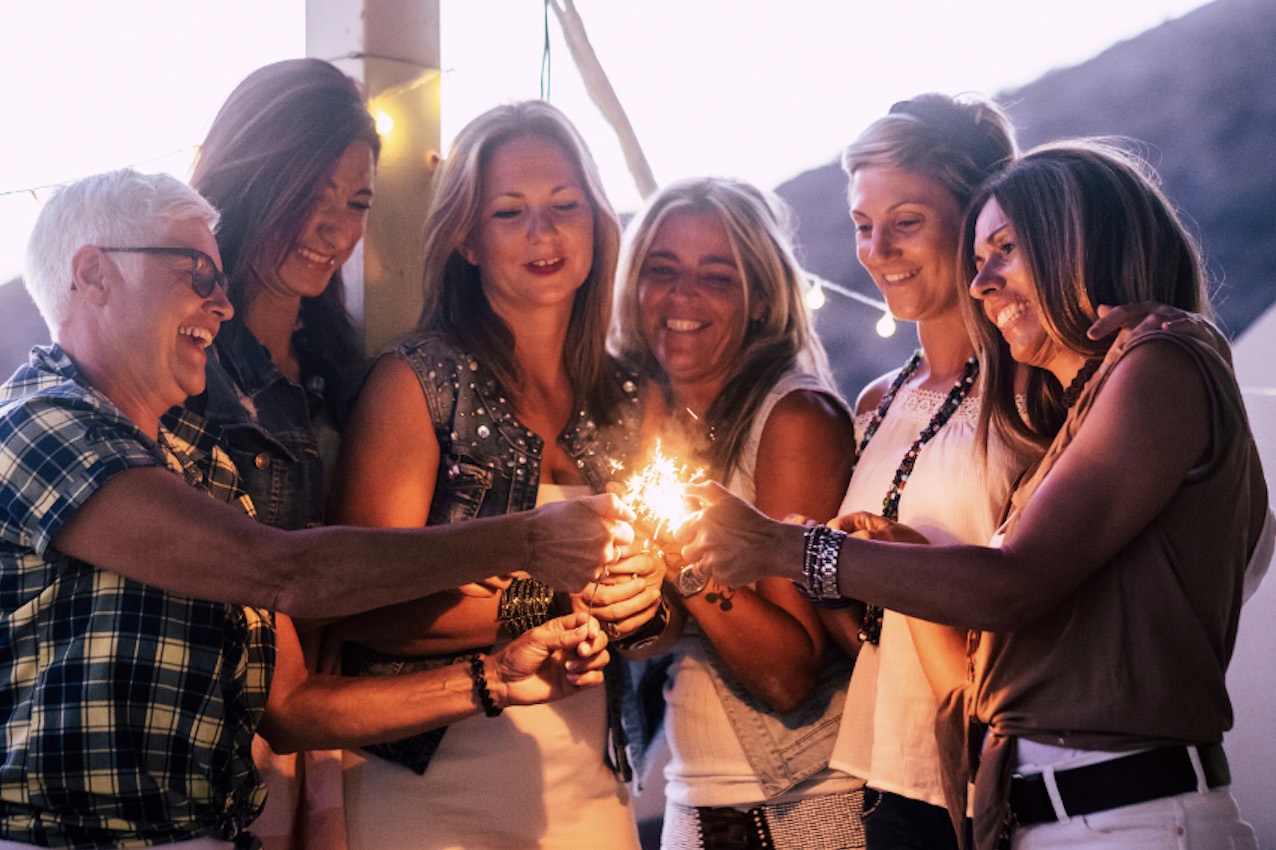
When I was in my twenties, I spent my Saturday mornings in the college library with Cameron, a vibrant lecturer in her late forties. Her face was weathered with experience, her presence both strong and warm. I admired her confidence, assertiveness, and wisdom—and I loved having the chance to ask her anything. One morning, as we sorted textbooks, our conversation turned to menopause. Cameron surprised me: she described this transition as “powering up.” She spoke with excitement about her new phase of life, free from the monthly cycle, and the sense of strength and self-assurance that came with it.
At the same time, my own mother was approaching menopause. Her life was full of stress—balancing work and family—and when she eventually saw her doctor, she learned she’d already been through menopause. She hadn’t even realised it at the time. Looking back, she attributed her symptoms and changes to the stress of daily life, not recognising them as part of the menopausal transition. For many women, the signs of menopause are tangled up with the demands and pressures of midlife, making it hard to separate one from the other.
what is menopause, really?
Menopause marks the end of a woman’s reproductive years, usually between 45 and 55, with the average onset around 50. Before menopause, more than 90% of a woman’s oestrogen is produced by the ovaries. As ovulation ceases, oestrogen and progesterone levels drop, and the body begins to adapt. The journey isn’t just physical—it’s emotional, mental, and social too.
the reality: you’re not alone
If you’re finding menopause challenging, you’re in good company. Research shows that while some women have mild symptoms, many experience significant changes that impact daily life. Hot flushes, sleep disturbances, joint pain, mood swings, memory changes, and a sense of losing control are all common. Around 60% of women report mild symptoms, 20% have none, and another 20% are severely affected—sometimes well into their 60s and beyond.
And it’s not just physical. Emotional stress, worries about family, work, and health, and even a changed sense of self can be part of the mix. In fact, studies have found that the severity of menopause symptoms is shaped not only by hormones, but also by factors like stress, financial security, social support, and cultural attitudes towards ageing.
culture, community and menopause
Menopause doesn’t look the same everywhere. In Australia, hot flushes are common, but in Japan, symptoms like shoulder stiffness or low mood are more often reported. In China, menopause wasn’t even described as a medical issue until the 1960s. Across cultures, the way menopause is viewed—and the support women receive—shapes the experience. In societies that value older women, menopause is often seen as a time of wisdom and new beginnings.
a new narrative: powering up
It’s easy to feel like menopause is a loss. But what if, like Cameron, we saw it as a time of “powering up”? Today, women often live a third of their lives after menopause. This is not an ending—it’s a new chapter. It’s a chance to rediscover your strengths, re-evaluate what matters most, and invest in your health and happiness.
The small choices you make each day—moving your body, nourishing yourself, connecting with others, seeking support—begin to add up. Over decades, these habits pay dividends, supporting you through the transition and beyond.
supporting yourself through menopause
- Acknowledge Your Experience: It’s normal to feel frustrated, tired, or overwhelmed. You’re not alone, and your symptoms are valid.
- Seek Support: Talk to friends, family, or a practitioner who understands menopause. Community and connection make a difference.
- Move in Ways You Enjoy: Walk, swim, garden, dance—movement supports mood, sleep, and bone health.
- Nourish Your Body: Focus on whole foods, hydration, and balanced nutrition. In Chinese medicine, nourishing Yin and Blood is often recommended.
- Consider Chinese Medicine: Acupuncture and herbal medicine can help ease symptoms like hot flushes, insomnia, and mood swings. Every woman’s pattern is unique, so treatment is always personalised.
- Embrace the Transition: This is a powerful rite of passage. Allow yourself time to reflect, re-evaluate, and set new intentions for this next phase.
Key Takeaways
Menopause is a profound transition, and it’s okay if it feels hard. There’s wisdom in this change, and strength in seeking support and knowledge. At Deep Water Medicine, we honour your journey and are here to walk alongside you—offering compassionate care, practical tools, and a community that understands. We believe in a team approach: we regularly collaborate with other healthcare practitioners, including GPs and specialists, to ensure you get the best support possible. Whether you’re navigating menopause naturally or using menopausal hormone therapy (MHT), we’re here to work with you and your healthcare team so your treatment is safe, integrated, and truly holistic.
If you’re ready to power up for your next chapter, reach out for a chat or book an appointment. Together, we can help you move through menopause with resilience, confidence, and vitality.